Table Of Content
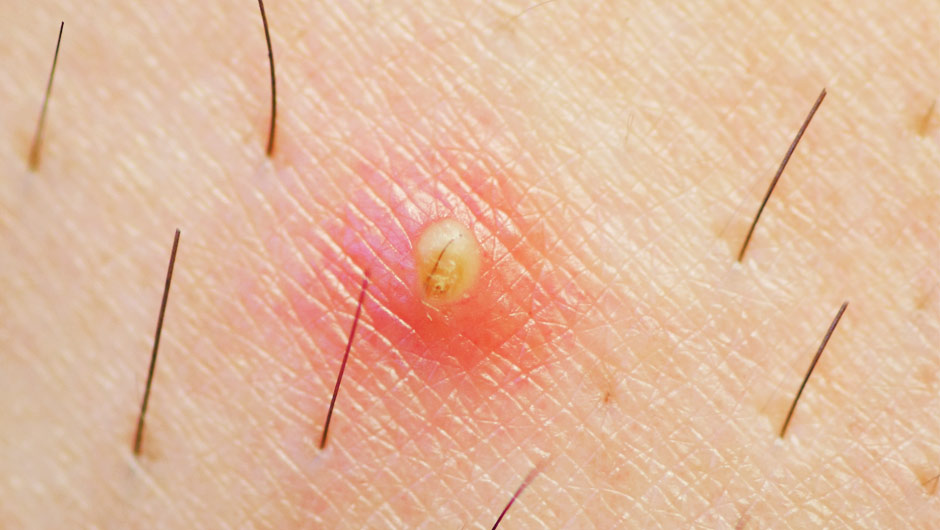
To speed along the healing process at home, you can cleanse the area with gentle soap and water and apply a warm compress for 10 to 15 minutes, three times per day, Dr. Clay says. Infected ingrown hairs can be uncomfortable, but most clear up on their own in 7–10 days with good hygiene. If the hair is near the skin’s surface, however, you may be able to remove it by gently grasping it with sterilized tweezers. If the hair is completely under your skin, avoid the temptation to poke the area with a sharp object and dig out the hair. Please see a healthcare professional for help in this situation. A hair becomes ingrown if it grows back into your skin while being outside of its hair follicle.
selectWhat skin care products to use and avoid when pregnant, according to doctors
How To Make Ingrown Hairs a Thing of the Past, According to a Dermatologist - GQ
How To Make Ingrown Hairs a Thing of the Past, According to a Dermatologist.
Posted: Mon, 29 Jan 2024 08:00:00 GMT [source]
This one isn't so much about ingrown hairs as it is a chance to get a closeup of the plucking process—and it's kind of mesmerizing. After that hot shower has softened the hair and opened your pores, you’re going to want to shut them back down again. Blasting your face with cold water will close the pores up, preventing all the dirt and dead skin cells kicked up form your shave getting back into them and wreaking spotty havoc.
Area of the Body
When you shave, you cut hair level with the skin, so it’s already above the surface. But waxing, tweezing, threading and epilating removes hair from the follicle, which is deep underneath the skin, Zeichner says. Hair then has to grow back from that follicle and make its way through the surface of the skin. If that process does not happen correctly, the free edge of the new hair can become trapped, grow into skin and result in an ingrown hair, he says.
Cortizone 10 Maximum Strength Anti-Itch Cream with Aloe

Meanwhile, IPL and other laser machines make for a near-permanent solution when it comes to getting rid of unwanted hair, but such gadgets tend to come with a hefty price tag. Doctors believe that ingrown hair are likely to develop pilonidal cysts. They can be swollen and painful and might need surgery to be treated. You may be more likely to get ingrown hairs if you have coarse or curly hair.
Infected ingrown hair treatment
Doing so can make ingrowns worse and prolong the healing process. Picking, tweezing and squeezing ingrown hairs also commonly results in folliculitis, an inflammation and infection of the hair follicles that looks like a bumpy rash and can be itchy or painful, Weinstein says. After you shave, apply a product made with BHAs to close the hair follicles that opened after being exposed to warm water, Weinstein says. Doing so prevents bacteria or dirt from getting into the follicles. This chemical exfoliant from Paula’s Choice has salicylic acid (a BHA) and green tea extract to calm redness, according to the brand. The formula is lightweight and feels refreshing on my skin when I apply it using a cotton pad.
Anthony Ingrown Hair Treatment
In fact, we’d recommend it for those trying hair removal creams for the first time, too, as it’s just that little bit gentler, which will only help you get your bearings with it. Finding a hair removal cream that can work on all parts of the body (even intimate areas) can be tricky, so Woo Woo is a wonderful find. While it has that distinctive hair removal cream smell, its formula is created with softness in mind, housing jojoba and aloe vera for more of a moisturising finish. Included is a small spatula for easy application, and the best thing about it is it can be used in the shower, cutting down the time you have to stand in that awkward wide-leg naked pose in the bathroom. Just be careful that the water isn’t too hot, so you don’t irritate the skin.
The form of treatment will likely rely on your personal preference. Do you prefer a cream that you can rub in or a more liquid option that you can quickly apply with a cotton swab? There are several different treatment forms on this list to help you choose the one that fits best for your needs.
People with coarse, thick, or curly hair are often more likely to have ingrown hairs. Whether a current ingrown hair is bothering you or you're looking for prevention tips, keep reading to learn all you need to know about how to remove a deep ingrown hair safely, straight from dermatologists. Coarse hair is no match for Nood's Flasher 2.0, which eliminates unwanted hair without the razor burn or ingrowns caused by traditional removal methods. Bonus points for its mini size, which makes it easy to treat hard to reach areas such as underarms and the bikini line. Ingrown hairs cause bumps, which are often itchy, where a hair has grown back into the skin. There are things you can do to treat and prevent them and in most cases you will not need to a see a GP for treatment.
Mayo Clinic Press
“I use a sterile needle to [pierce] the overlying skin and splinter forceps to help the hair reach the skin surface,” Dr. Bailey says. “If the hair is still attached to the base of the follicle, I leave it so that the follicle can heal.” But if the hair isn’t still attached, your doctor can remove it “much like removing a splinter,” she says. If you remove your body hair, ingrown hairs can be a super annoying part of the experience, so we’re not surprised if you’ve been tempted to take ingrown-hair removal into your own hands. If ingrown hair infections recur or are severe, you may have an underlying condition that needs medical treatment. As the infection progresses, you may see pus, and the bump may grow larger. To prevent scarring or infection, don’t pick at, scratch or pop your ingrown hairs.
"But unless you’re skilled enough and able to do this in a clean environment, I generally advise against removing deep ingrown hairs yourself, as there’s a risk for infection, scarring, and damage to the skin." For those of you who choose to remove hair from various parts of your body, we don’t have to explain how annoying this process can be. From razor bumps to ingrown hairs, there are a whole host of issues that come with being clean-shaven, so you may want to rid your hair with something other than a razor.
After shaving, it’s best to apply the oil with the included dropper and rub into clean, dry skin to start the hydration process. While we picked this as a great treatment for your legs, it can be used all over the body to help prevent ingrown hairs. Ingrown hairs can be irritating, frustrating, and even painful. When new hairs grow back, especially after a close shave or waxing, they can sometimes get caught under the skin or under a layer of dead skin cells. This can result in painful bumps and redness that can be hard to treat. Utilizing exfoliants is a great way to treat, soothe, and prevent ingrown hairs.
If you shave or wax with any sort of regularity, there is a 97.6 percent chance you've had an ingrown hair, one of the most annoying (and painful) beauty problems. "I found myself really amazed at how effective this was almost instantly," she says. "Within a few weeks, I noticed the dark hair on my skin was growing in far more slowly, and more sparsely, all in about the span of a month." Although a very useful step, protecting the surface of the skin from the hair-melting chemicals, we found it a little tricky to use. Too much and you run the risk of no hair getting hit, too little and there’s no protection at all, so finding the sweet spot may take a bit of time, but once you get there, it’s hard to go back.
This puts you at risk of damaging your skin or causing an infection, which often isn't worth the risk considering that a large percentage of ingrown hairs go away on their own. Sensitive skin and hair removal creams are far from a match made in heaven. In fact, if you are more on the sensitive side, you need to take even more caution before using these creams – if the skin is irritated, broken or damaged, best to avoid them altogether. But if you do still want to give them a go, this Nair option may be your best bet. With aloe vera extract, it soothes while smoothing away hair quickly, easily and without any pain. A spatula is included for easier application, and, after five minutes, you can start to see the cream get to work.
Some ingredients can be much harsher on the skin than others so it’s important to consider how your skin reacts to those ingredients, especially in sensitive areas like the pubic area and underarms. Targeted treatments like the Manscaped Crop Exfoliator are specifically designed to work on the pubic area with minimal irritation. Several ingrown hair treatments contain ingredients that can dry your skin out and shouldn’t be worn in direct sunlight. This sweetly scented Truly Beauty Glazed Donut shave oil is quite the opposite with hydrating properties. It uses vitamin E to rejuvenate your skin and is even advertised as a treatment that can be applied poolside under the hot summer sun. Properly preparing for hair removal can also help prevent ingrown hairs.
Ingrown hairs are irritating, but most of the time they can easily be treated in the home. There will be a painful bump and swelling, and you may notice pus. Doctors treat staph infections with antibiotics to prevent other serious complications, such as a blood infection. “I would recommend this be the first place to go for help with ingrown hairs,” says Dr. Bullard. Dermatologist Sherrie Bullard, MD, shares safe ways to get rid of ingrown hairs and how to prevent them from happening.
Also, people should wear loose clothing on areas surrounding the hair to avoid friction. You might have small bumps with hairs in the middle of your face and neck or on other hairy places on your body. They can be small, swollen bumps where you shave, tweeze, or wax.


No comments:
Post a Comment